
In Brooklyn, alcohol-related motorcycle accidents are a significant concern, leading to severe injuries and deaths due to impaired driving. Brain trauma is a critical outcome, emphasizing the need for immediate medical attention, especially access to specialized brain trauma treatment in Queens. These accidents pose dangers to motorcyclists and pedestrians, with alcohol impairing judgment and increasing crash risks. Strict enforcement, public awareness, and prevention efforts are crucial to avoid these incidents, particularly focusing on responsible riding behavior and adherence to blood alcohol limits (BDALs).
“In Brooklyn, alcohol-related motorcycle accidents pose a significant concern for road safety. This article delves into the prevalence of such crashes, examining their impact on both motorists and pedestrians. We explore the effects of alcohol on judgment and reaction times, highlighting the increased risks in motorcycle incidents. Furthermore, we discuss brain trauma—a potential consequence of these accidents, offering insights into symptoms and treatment options available at medical facilities like those in Queens. Additionally, legal implications and prevention strategies are covered to promote safer riding practices.”
- Understanding the Prevalence of Alcohol-Related Motorcycle Crashes in Brooklyn
- The Impact of Alcohol on Motorist and Pedestrian Safety
- Brain Trauma in Motorcycle Accidents: Symptoms and Treatment Options in Queens
- Legal Aspects and Prevention Strategies for Alcohol-Imbited Riding Incidents
Understanding the Prevalence of Alcohol-Related Motorcycle Crashes in Brooklyn

In Brooklyn, alcohol-related motorcycle accidents have become a significant concern, often resulting in severe injuries and even fatalities. These incidents underscore the critical need to address drunk driving, especially on city streets where motorcyclists are particularly vulnerable. According to recent statistics, a substantial number of motorcycle crashes in Brooklyn involve impaired drivers, highlighting the urgency for stricter enforcement and public awareness campaigns.
The impact of alcohol-related accidents can be devastating, with brain trauma being one of the most critical outcomes. Access to prompt and specialized brain trauma treatment Queens offers is vital for survivors. Many victims require extensive medical care and rehabilitation to recover from the physical and cognitive effects of their injuries, emphasizing the importance of prevention efforts to curb these avoidable tragedies.
The Impact of Alcohol on Motorist and Pedestrian Safety
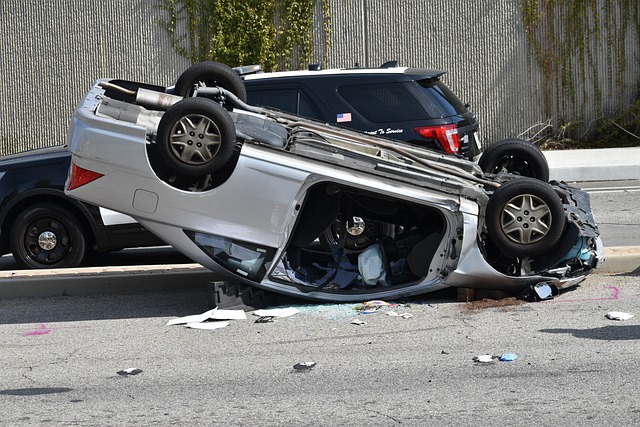
Alcohol significantly impairs a motorist’s ability to drive safely, increasing the risk of accidents and severe injuries. In Brooklyn, where motorcycle accidents are already a concern, the addition of alcohol further complicates matters. Studies show that even small amounts of alcohol can impair judgment, reflexes, and coordination—essential skills for driving a motorcycle. This impairment is especially dangerous for motorcyclists due to their vulnerability on the road.
Moreover, pedestrians facing an intoxicated driver are at higher risk of sustaining brain trauma or other life-altering injuries. Brooklyn residents should be aware that alcohol not only affects the driver but also puts bystanders in harm’s way. Prompt medical attention, including advanced brain trauma treatment Queens offers, is crucial for victims of alcohol-related accidents to manage potential long-term effects and ensure better recovery outcomes.
Brain Trauma in Motorcycle Accidents: Symptoms and Treatment Options in Queens

In the event of a motorcycle accident, particularly those involving alcohol, brain trauma is a significant concern. Motorcyclists are at higher risk for severe head injuries due to the lack of protection compared to passengers in cars. Brain trauma symptoms can range from subtle to life-threatening and may include headaches, dizziness, nausea, confusion, slurred speech, and changes in behavior or personality. In more severe cases, loss of consciousness, seizures, and even coma can occur. If you suspect brain trauma after a motorcycle accident in Queens, immediate medical attention is crucial.
Treatment options for brain trauma depend on the severity and type of injury. Mild traumatic brain injuries (MTBI) may only require rest and monitoring, while more severe cases might necessitate emergency surgery to reduce brain swelling or remove hematomas. Rehabilitation can involve physical therapy, occupational therapy, speech therapy, and counseling to help individuals regain cognitive functions and adapt to any permanent changes. Early intervention and access to specialized brain trauma treatment in Queens are vital for optimizing recovery outcomes.
Legal Aspects and Prevention Strategies for Alcohol-Imbited Riding Incidents

In New York, including Brooklyn, riding a motorcycle while under the influence (MWI) is illegal and carries severe penalties. Law enforcement officers actively patrol areas known for high motorcycle traffic to deter and catch drunk drivers, with strict laws in place to protect public safety. If involved in an alcohol-related motorcycle accident, immediate medical attention is crucial, especially for brain trauma treatment Queens, as delays can have detrimental effects. Hospitals within the city are equipped to handle such emergencies, offering advanced care and rehabilitation services.
Prevention strategies are vital to reduce alcohol-imbited riding incidents. Motorcyclists should always adhere to designated blood alcohol limits (BDALs) and consider alternative transportation options if consuming alcohol. Regular training and awareness programs can educate riders on the risks of drunk driving and promote responsible behavior. Additionally, wearing appropriate protective gear significantly reduces the severity of injuries in accidents, including specialized helmets designed for optimal brain trauma treatment Queens.
Alcohol-related motorcycle accidents in Brooklyn remain a significant concern, with severe consequences for all involved. This article has explored the prevalence of these crashes, their impact on safety, and the specific risks of brain trauma among motorcyclists. Additionally, it has highlighted the importance of legal aspects and prevention strategies to address this issue. By understanding the risks and implementing targeted interventions, including improved enforcement and public education, Brooklyn can work towards reducing alcohol-related motorcycle incidents and ensuring better outcomes, including effective brain trauma treatment in Queens for those affected.